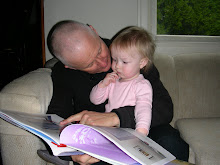
My mother died seven months ago.
On this first Mother’s Day without her, it feels important to acknowledge that she was not a perfect mother just as I was not a perfect son.
The complex transactions of navigating a workable life within the confusing decades of the 1950’s and ‘60’s demanded a high price from my mother. She struggled to find her way in the maze of social pressures and expectations that made up her world as a stay-at-home mum and wife.
On the surface my mother appeared to be the perfect combination of mother to her children, “helpmate” in the shadow of her husband, hostess for the social obligations her world imposed upon her. She seemed to thrive in the background. Most people saw my mother as kind, sweet, gentle, and humble. She was all of these things.
But, as with all of us, some of what my mother appeared to be on the surface was true, some was a costly illusion. What did not appear on the surface were my mother’s sadness, her fear, anxiety, and sense of inadequacy.
Her glass was always half empty. She knew she would have been happier if it could only have been a little fuller.
My mother died early on the morning of Remembrance Day. My wife and I were away and rushed to catch a 10:00 morning ferry. An hour into our voyage, the captain announced that at 11:00 the ferry’s engines would be cut, the ship’s whistle sound and we would observe a minute of silence in honour of those who had died. As the 11:00 eerie stillness enfolded us; my wife and I sat holding hands and crying.
We cried for the loss of a mother. We cried for the massive conflicts and tragedies of humanity. We cried for the complications, confusions and compromises of our lives. We cried because we knew how imperfectly we all live, how inadequately we love and how incompletely we fulfill the deepest call of our lives.
The day after my mother died, I met, as I do every Wednesday morning, with a small group of people for meditation, Bible reading, and discussion. We are reading through the book of Psalms. That morning we had reached Psalm 35 and stopped at verse 14, which ends with the Psalmist saying, “I went about as one who laments for a mother, bowed down and in mourning.” As I read these words, I knew that the God to whom the Psalmist spoke holds all the tensions, complexities and failures of our lives with tenderness and compassion.
So, on this first Mother’s Day without my mother, the gift I would give her if I could, would be the freedom she never really knew. I would give her the chance to live boldly and authentically in tune with the true depths of her innermost being. I would give her courage and the chance to open more fully to that spacious place within herself wherein dwells the truth and light of the God in whom she now rests.
Perhaps the only way for me to give my mother these gifts now that she is gone is to live them more fully in my own life.
I honour my mother’s life by allowing my heart to break open. The gift I give my mother on this Mother’s Day is the gift of my life lived genuinely and deeply in tune with God’s Spirit and guidance. I honour my mother’s life by living in tune with that gentleness and goodness that was so often shown through the kindness of her life.
Read more...
Showing posts with label human relationships. Show all posts
Showing posts with label human relationships. Show all posts
May 10, 2009


April 29, 2009
Hurt People Hurt People
No it is not a typo, and it is not meaningless repetition. It is in fact an answer to one of the most difficult questions I frequently ponder: Why do we so often hurt one another? Why are we so often mean, judgmental, negative, and critical?
There are probably many ways to answer these questions. But one answer is to say,
When I am mean, critical, negative, and judgmental, it is because I am acting out of that place where I experience myself as having been hurt. I attack because I feel vulnerable. I criticize in an attempt to rebuild my faltering sense of self. I judge others because I have already judged myself and found myself lacking.
So how does this idea help me in relationship to people who hurt me, or in relationship to myself when I feel hurt?
When I can look at a person who hurts me as a hurt person, it is easier to extend towards that person the compassion that has the capacity to set us both free. When I see that my hurtful behaviour comes from my own experience of pain, I find compassion for myself.
To be compassionate means being willing to look clearly at myself and at others. When I see clearly, I see that we are all hurt. We are all broken; and the sharp edges of our brokenness will always clash until we acknowledge the wounds that cause us to hurt and to be hurt.
When I feel attacked, I need to understand that my attacker is acting out of their own insecurity, fear, anxiety, and hurt. This is not a bad person, not even a cruel person. This is a hurt person, a fearful person, a sad person who is unwilling, or unable to bear their own sadness and therefore feels compelled to attempt to inflict it upon others.
When I have deeply accepted my own wounds, the wounds others attempt to inflict upon me, lose their power. I no longer need to pass on my pain, or to be overwhelmed by the pain of others. I am free to live from a place of strength.
Read more...
There are probably many ways to answer these questions. But one answer is to say,
Hurt people hurt people.
When I am mean, critical, negative, and judgmental, it is because I am acting out of that place where I experience myself as having been hurt. I attack because I feel vulnerable. I criticize in an attempt to rebuild my faltering sense of self. I judge others because I have already judged myself and found myself lacking.
Hurt people hurt people.
So how does this idea help me in relationship to people who hurt me, or in relationship to myself when I feel hurt?
When I can look at a person who hurts me as a hurt person, it is easier to extend towards that person the compassion that has the capacity to set us both free. When I see that my hurtful behaviour comes from my own experience of pain, I find compassion for myself.
To be compassionate means being willing to look clearly at myself and at others. When I see clearly, I see that we are all hurt. We are all broken; and the sharp edges of our brokenness will always clash until we acknowledge the wounds that cause us to hurt and to be hurt.
When I feel attacked, I need to understand that my attacker is acting out of their own insecurity, fear, anxiety, and hurt. This is not a bad person, not even a cruel person. This is a hurt person, a fearful person, a sad person who is unwilling, or unable to bear their own sadness and therefore feels compelled to attempt to inflict it upon others.
When I have deeply accepted my own wounds, the wounds others attempt to inflict upon me, lose their power. I no longer need to pass on my pain, or to be overwhelmed by the pain of others. I am free to live from a place of strength.
Read more...
Subscribe to:
Posts (Atom)